
The Mine and Countermine
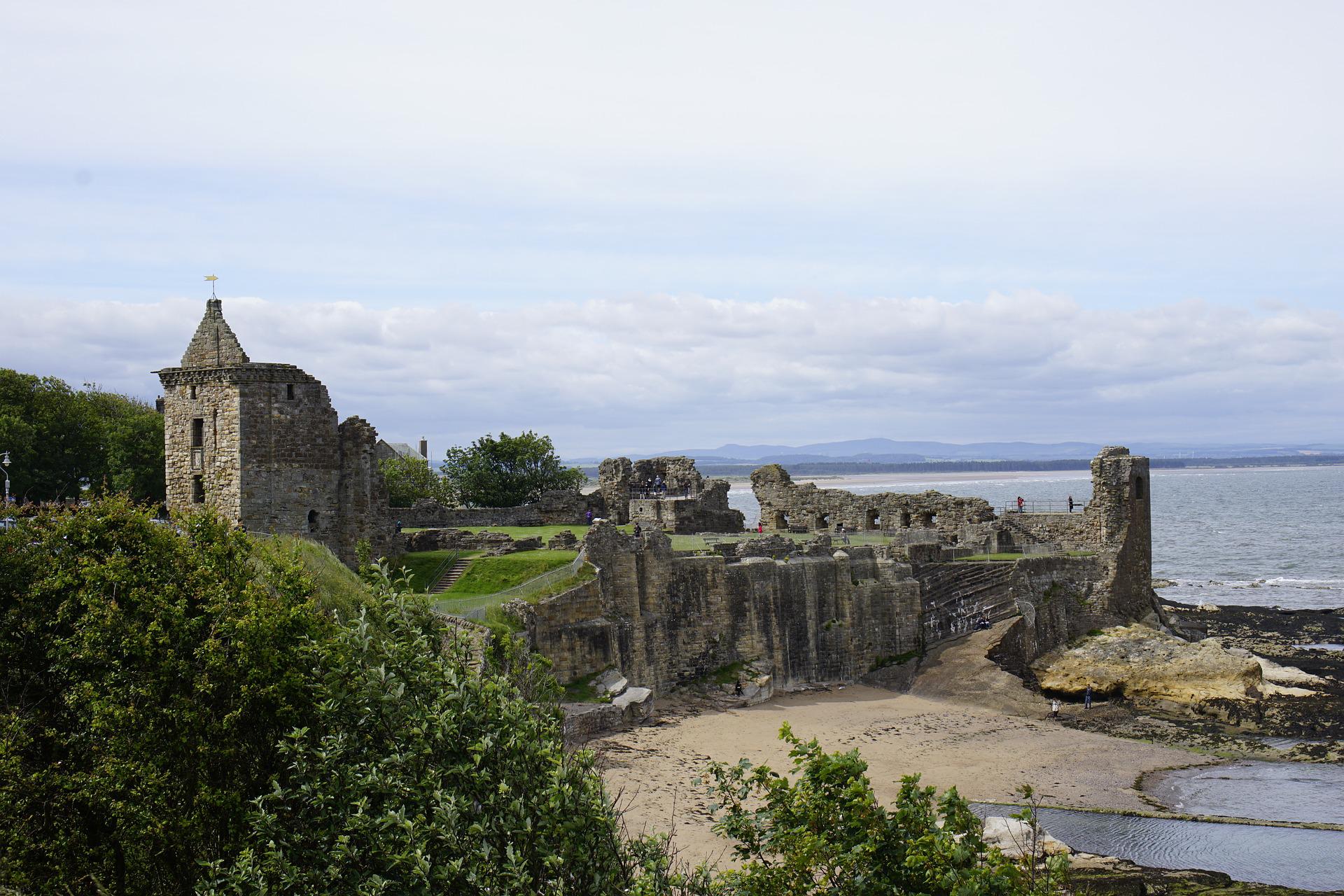
Beneath the ruins of St Andrews Castle lies one of the most remarkable reminders of Scotland’s Reformation-era conflict — a tunnel dug during the siege of 1546–47.
After the murder of Cardinal David Beaton in 1546, the castle was occupied by a group of Protestants known as the Castilians. Government forces soon surrounded the fortress, but when artillery failed to bring it down, they tried another method — digging underneath it.
The besiegers began cutting a mine through the solid rock towards the castle walls, intending to undermine the defences and possibly destroy them with gunpowder.
But the men inside the castle could hear the sound of digging beneath their feet.
With no plans or instruments to guide them, the defenders began digging their own countermine, following the sound of the enemy’s picks through the rock. Their tunnel was narrow, twisting and hurried, with several false starts before they finally broke into the attackers’ mine and stopped the plan.
The siege continued, and in 1547 John Knox entered the castle, where he was soon called to the ministry and began preaching.
Later that summer, a French fleet arrived and heavily bombarded St Andrews Castle. The defenders eventually surrendered and Knox was taken prisoner to the French galleys.
Today, the mine and countermine can still be seen beneath the castle — an extraordinary survival from a time when the struggle for Scotland’s Reformation was being fought not only above ground, but deep beneath it.
(Please note that the mine and countermine are temporarily closed to the public. Hopefully it will re-open soon.)