
The Battle of Bothwell Bridge — 22nd June 1679
The story of the Covenanters, a period known as Scotland’s Second Reformation, is a large part of our tours.
And today marks the anniversary of one of the most tragic and defining moments in Covenanter history: the Battle of Bothwell Bridge, fought on 22nd June 1679.
After their unexpected victory at Drumclog on 1st June, the Covenanters attempted to press forward, but their failure to take Glasgow forced them towards Hamilton. As they marched, their numbers steadily increased. Hundreds joined them, gathering beneath their standards until, by 22nd June, around 3,000 to 4,000 men had assembled at Bothwell Moor.
Yet beneath the appearance of strength there were serious weaknesses. The army was poorly equipped, and most of those who had joined were ordinary country people rather than trained soldiers. Worse still, their leadership was uncertain and divided, with disputes weakening them at the very moment when discipline and unity were most needed.
Against them came the Duke of Monmouth, advancing with a government army of around 15,000 men.
That morning, a party of Covenanters crossed the River Clyde to speak with Monmouth. They found him more moderate than many others might have been, but his terms were clear: they had thirty minutes to lay down their arms before any negotiations would begin.
Back on the Covenanter side of the river, confusion and disagreement still filled the camp. Even so, they chose to resist.
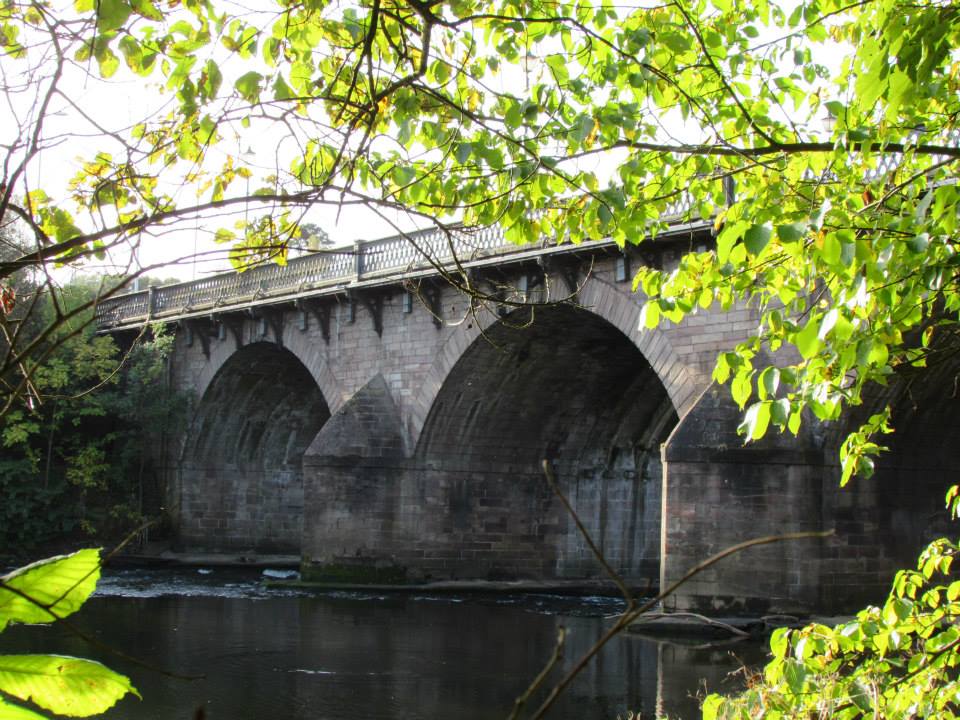
The key to the field was Bothwell Bridge itself. There, David Hackstoun and around 300 men made a determined stand, holding the crossing for several hours against overwhelming odds. Eventually, the pressure became too great, and the bridge was forced.
When the wider Covenanter body tried to prepare for battle, the moment had already passed. Disorder spread quickly. Some of their own horses, startled and uncontrolled, charged into their ranks, turning uncertainty into panic.
Then came the pursuit remembered as the “Death Chase.”
Around 400 Covenanters were slain, though some accounts place the number much higher. Many more prisoners might have been killed had Monmouth not ordered his men to stop the slaughter. About 1,200 captives were taken, stripped, and commanded to lie flat in the field. None dared raise their heads, fearing the thrust of a sword.
Monmouth would later be sharply criticised for the mercy he showed that day.
The prisoners were then marched to Edinburgh, where they were confined in Greyfriars Kirkyard.
The Battle of Bothwell Bridge was a devastating defeat. What had begun with hope after Drumclog ended in bloodshed, captivity, and suffering. Yet the courage of those who stood at the bridge, and the witness of those who endured what followed, remains part of Scotland’s Covenanter story to this day.