
A Nation on Edge
We are only days away from the anniversary of the signing of the National Covenant (28 February 1638), so over the next few posts we’ll trace the dramatic build-up to that moment.
Today takes us to 20 February 1638—and to a tense, but often overlooked, confrontation in Stirling between those who opposed the king’s church reforms (the future Covenanters) and the royal authorities sent to enforce them.
The introduction of the Prayer Book and Book of Canons into the Scottish Church in 1637 had triggered widespread resistance. Many Scots believed these measures were a step back toward Rome. What had begun as protest was fast becoming organised opposition.
By February 1638, matters were coming to a head.
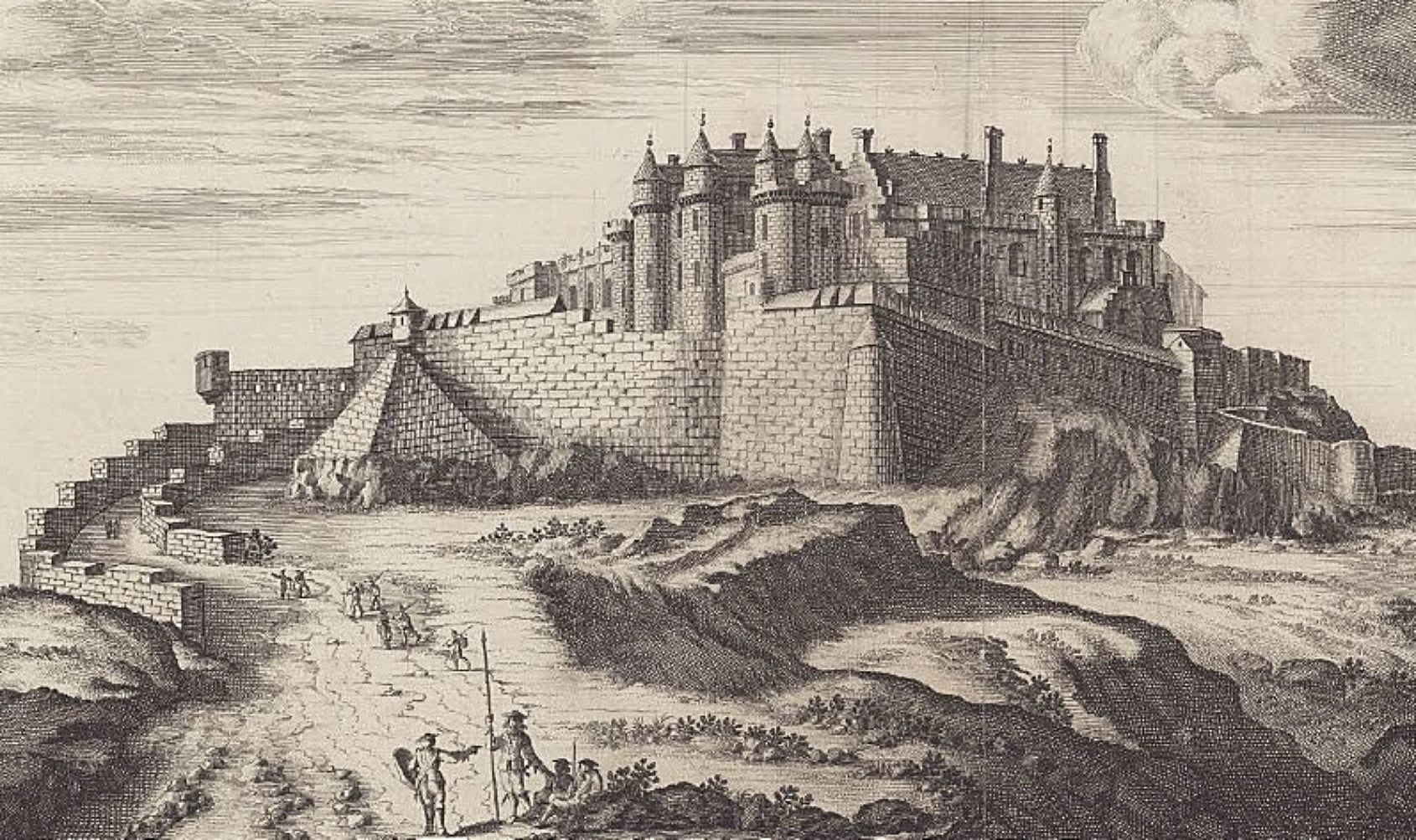
King Charles I dispatched the Earl of Roxburgh, Lord Privy Seal—then at the English court—back to Scotland with firm instructions for the Privy Council to restore order. The Council convened in Stirling, a royal burgh of strategic importance, dominated by its castle and heavy with symbolism.
On 20 February, at the Market Cross of Stirling, Roxburgh—joined by the Earl of Traquair, Lord Treasurer, newly returned from the king—publicly read the royal proclamation.
It was uncompromising.
The king approved the Prayer Book and Canons and strictly forbade any meetings or subscriptions against them. He declared that,
“out of our Princely care of maintenance of the true religion already professed, and for beating down of all superstition, having ordained a Book of Common-Prayer to be compiled for the general use and edification of our Subjects, within our Ancient kingdom of Scotland”
He insisted he had taken “Great care and pains” in doing so.
The proclamation condemned those “Nobility, Gentry, Burroughs, Ministers, and others” who had been meeting “without either Our Consent or Authority.” Any future gatherings would be treated as treason.
It ended with a blunt order. All noblemen, barons, ministers, and burgh representatives not resident in Stirling—and not members of the Privy Council or Session—were commanded to leave immediately and not return:
“…under the said pain of Treason.”
This was not negotiation. It was a warning.
But the king’s voice would not go unanswered.
No sooner had the proclamation been read and affixed to the Market Cross than the Earl of Hume and Lord Lindsay stepped forward. Speaking in the name of the nobility, ministry, gentry, burgesses and commons, they publicly read their protestation and attached it beside the king’s.
They rejected the Prayer Book and Book of Canons. They refused to recognise the Archbishops and Bishops as their judges. And they listed further grievances against the direction in which the Scottish Church was being driven.
Two documents—one royal, one defiant—now hung side by side in Stirling.
Meanwhile, events were unfolding beyond the Cross.
As the proclamation was read, armed and angry Presbyterians had been gathering in the town. By now their numbers had swelled to around 2,000. They assembled in the Church of the Holy Rude, near Stirling Castle—close to where the Privy Council itself was meeting.
Their presence caused real alarm.
From the Council chamber, this looked perilously close to open rebellion. In panic, orders were issued demanding that the people disperse. They refused.
The situation teetered on the edge.
It was only when the Council called for three prominent noblemen—Rothes, Montrose, and Wemyss—and agreed to accept the Supplicants’ declinature (their formal rejection of episcopal authority) that tensions began to ease.
The influence of these future Covenanter leaders proved decisive. The large armed group left Stirling, and for the moment bloodshed was avoided.
A Prelude to Covenant
This confrontation in Stirling did not end the crisis. It sharpened it.
The king had spoken with threats of treason. The opposition had answered with formal protest. Armed men had gathered within sight of the castle. And influential nobles had emerged as leaders of a movement that was no longer scattered resistance but organised defiance.
Eight days later, in Edinburgh, the National Covenant would be signed.
Stirling on 20 February 1638 was one of the final warnings that Scotland and its king were moving toward a far deeper conflict than either side yet fully grasped.